Tuesday - October 4, 2022

Charlie C. Rose

SCRIPTURE


Psalm 143.5

I remember the days of long ago; I meditate on all your works and consider what your hands have done.

WORDS OF HOPE


Do you have your own oasis? Everybody has at least one, but maybe you have several of them, if you follow my drift. I’m not talking about a green, grassy spot with a palm tree in the desert, but that’s not a bad metaphor. I’m talking about a little piece of brain real estate I’ve discovered for myself; a little feeling of pure contentment in my solitude.


It’s a little piece of time that I can immerse myself in, otherwise known as self-care. We hear more about taking care of ourselves these days because many of us find ourselves putting out life’s little fires and then it’s bedtime. Many times, days or weeks may go by before I have realized I left myself behind. But, a while back, I discovered my oasis. I began making note of the occasions and this feeling of happiness I get when I first unplug myself from my electronics and then began to notice the world outside myself. I also began to experience a form of personal healing when I take a little time to shut off conversations, emailing, posting, and texting.


Taking note of this very moment, I’m enjoying a feeling of calm in sharing my thoughts as I write about these oasis experiences. One of the vows I manifested many years ago in our secular Order of St. Francis and St Clare has been in discovering the true wealth in living out a vow of simplicity. Whether finding tranquility in getting my hair cut or eating alone at home or at a certain favorite secluded spot in a diner, there is much pondering in just breathing in the day and the world around me. It’s almost as if I could see raindrops falling in slow motion.


While considering these thoughts, have you been able to think of your oasis? I ask myself, what are the things I do alone or in silence that allow me to participate in a celestial communion. Has it been moments of gratitude? Maybe it’s a profoundly delicious meal. Yes, I circle back to food experiences often. Then there are those other occasions when I feel the silent spirit of another person who has, in some way, quietly spoken to me without words; one of Earth’s many Angels. This experience came as an unfiltered gift of love when visiting my long- time friend and business partner in the hospital. Once again, it was a time filled with fear of loss or change. Is this it? Is it time? No, it wasn’t. Without asking, my oasis came with a beautiful feeling of reassurance that this moment will pass.


My friend, came through his hiccup of a hospital stay, once again. There have been too many to count in the past ten or so years, but he has come through the toughest of these already. His angels delivered their special messages of hope to both of us, in the ways we needed to hear it, on the first day of his admittance. That was a welcome oasis.


Are you open to experiencing your own customized oasis moment? Take a couple deep breaths. Go ahead. Nobody is watching. Inhale 1-2-3-4. Hold. Exhale 4-3-2-1. Repeat again. Inhale 1-2-3-4. Exhale 4-3-2-1. Open your mind to your next oasis… or will it be your first?


PRAYER


May these words of my mouth and this meditation of my heart be pleasing in your sight, LORD, my Rock and my Redeemer. Amen (Psalm 19.14)


DEVOTION AUTHOR


Charlie C. Rose

Order of St. Francis and St. Clare


Need Some Inspiration? Read our Daily Devotions
By Hardy Haberman • November 18, 2026
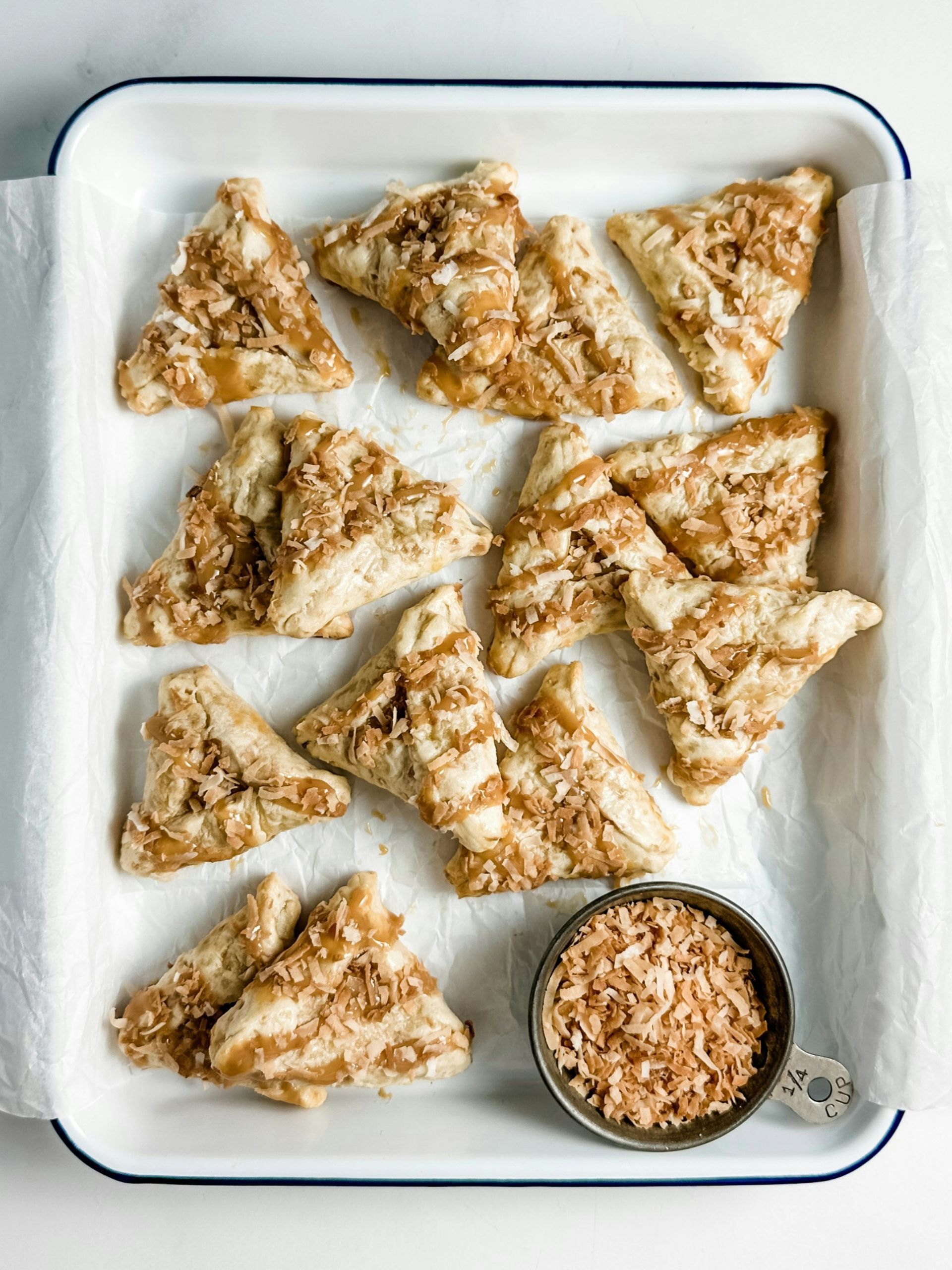
SCRIPTURE  Esther 7.1-10 The king rose from the feast in wrath and went into the palace garden, but Haman stayed to beg his life from Queen Esther, for he saw that the king had determined to destroy him. When the king returned from the palace garden to the banquet hall, Haman had thrown himself on the couch where Esther was reclining, and the king said, “Will he even violate the queen in my presence, in my own house?” As the words left the mouth of the king, they covered Haman’s face. Then Harbona, one of the eunuchs in attendance on the king, said, “Look, the very pole that Haman has prepared for Mordecai, whose word saved the king, stands at Haman’s house, fifty cubits high.” And the king said, “Hang him on that.” So they hanged Haman on the pole that he had prepared for Mordecai. Then the anger of the king abated. WORDS OF HOPE Being raised in a Jewish household I knew the story of Esther well. The holiday of Purim was a celebration of Esther and her deeds which saved the Persian Jews. Haman, the villain in the story played an important part in the celebration, My mother baked Hamantashen, small triangular shaped pastries filled with poppy seeds and prunes. Their shape represents the tricorn hat Haman wore and during the holiday children dress as Haman, Ahasuerus and Esther and essentially trick or treat in Jewish neighborhoods. Strange that a holiday celebrating the liberation of the Jews is observed with feasting on representations of the villan’s hat, but I guess it’s better than hanging him in effigy. The moral of the story was always about the power of women to influence and bring order to chaos. Queen Esther boldly exposed herself as a Jew to save her people from genocide by the King of Persia. His love of her was greater than his belief in Haman who conspired to kill the Jews. Surprisingly God is never mentioned in this book, but the implication that His will was carried out through a strong woman. Additionally, Harbona the eunuch influences Haman’s ironic punishment. Perhaps that is the entire point of the story. God works through all genders. PRAYER May we be open to God’s word, however it is delivered. Amen DEVOTION AUTHOR Hardy Haberman
By Carole Anne Sarah • November 17, 2026
SCRIPTURE Romans 8:38,39 (NRSV) For I am convinced that neither death, nor life, nor angels, nor rulers, nor things present, nor things to come, nor powers, nor height, nor depth, nor anything else in all creation, will be able to separate us from the love of God in Christ Jesus our Lord  WORDS OF HOPE Paul's message to the Romans (and to us), describes a love so powerful that it demands a response. He reminds us that God's love for us is constant, never ending and never bending. Nothing can get in the way of God's love for us. It is not dependent on circumstances or opposition or even worthiness. How do we love God back? When we love someone, we want to be with them, to express our love and find many ways to delight them. Specific prayer time ensures that we nurture our relationship. We can thank God for our blessings and ask God for help with our struggles when they are happening (all day every day). Reading scripture, Bible study and attending church are also ways of being with God. Worship, through rituals or praise and worship services helps us get in touch with feeling our love for God and giving expression to that love. It is saying, "I love you." We all know how important those words are to a relationship. We can find ways to delight God. Jesus made it clear that whatever we do to or for one another, we have done to or for God. When we do random acts of love and kindness to friends or strangers, when we participate in ministries such as feeding, sheltering, or clothing those who are struggling for the basics of life, we are delighting God. Finally, we find peace and comfort in the loving arms of our amazing God who has promised that God will always be with us no matter what comes our way! PRAYER Beloved God, I am convinced that you love me with a great and powerful love. I am comforted in knowing that you will always be with me and will not abandon me no matter what. I am filled with joy when you use me to love others. Grant me the privilege and the strength to do more. I love you with all of my being. Amen DEVOTION AUTHOR Carole Anne Sarah
By Thomas Riggs • November 16, 2026
SCRIPTURE  Matthew 28:18-20 Therefore, go and make disciples of all nations, baptizing them in the name of the Father and of the Son and of the Holy Spirit, and teaching them to obey everything I have commanded you. And surely, I am with you always, to the very end of the age. WORDS OF HOPE If you open almost any Bible and go to the last section of Matthew 28, the header on that section is likely to read “The Great Commission”. This scripture is often understood as a command to spread Christianity throughout the world, convert people from other religions, and establish an institutional Christianity. Even the very English word “Commission” is borrowed from colonial and militaristic language. However, the person speaking those words did not aspire to be Emperor, nor was he commissioning an army to conquer the world. Jesus was addressing a small community of Jewish disciples living under Roman occupation. Jesus and his disciples, like the rest of the Jewish people, were victims of empire. When Jesus tells his followers to "make disciples of all nations," he isn't necessarily commanding them to make everyone Christian in an institutional sense. The Greek word for disciple, mathētēs, means learner or apprentice. Jesus is inviting people into a way of life shaped by his teachings: loving enemies, practicing mercy, welcoming strangers, caring for the vulnerable, and resisting systems of oppression. The goal the embodiment of Christlike love. Even when Jesus says “all authority in heaven and on earth” was given to him, this was a rejection of domination. Throughout the Gospels, Jesus contrasts the oppressive authority of earthly rulers with the servant leadership that he preaches and embodies. His authority is expressed through healing, forgiveness, compassion, and sacrificial love. Maybe the most important words are “I am with you always”. In that promise, he asks us to participate with him in caring for others, welcoming strangers, feeding the hungry, visiting the lonely and offering a new way of living and love. The Great Commission becomes not about possessing the world for Christ, but about participating with Christ and becoming more like him in our own lives. Evangelism is witness, rather than conquest. It is relationship rather than domination. This is the life that we are called towards. Being more like Christ every day and participating with him in loving others. PRAYER Mother, Father, non-Binary God of love, teach us to serve rather than control, and to love rather than conquer. Help us follow Jesus with humility, compassion, and grace. May we recognize your presence as we share your love with the world. Amen. DEVOTION AUTHOR Thomas Riggs
By Kris Baker • November 13, 2026
READING People Are the Same Religion is my very soul. Caught in words, in difference between words, people have become estranged. Some fight and wrangle, some have developed a taste for blood— they have not understood, people of all religions are the same. Beneath all colors, hearts are the same, in everyone, the same emotions, the same kind of thoughts. Wound them, and the color of their blood is the same, in grief, the color of their tears is the same. In every heart, The same Allah, the same Ram, the same Issa. —Pushpa Vallabh translated from Sindhi by Amat Ansari and Waqas Khwaja WORDS OF HOPE Sometimes the most powerful interactions with our God come in the least expected places. I recently participated in an online art summit. Over the period of a week, artists from around the world shared their gifts and talents with creatives also from all over the world. It was a wonderful gathering of diversity bound together by creative energy. In one of the first sessions in which I participated, the presenter shared about the painted trucks in her country of Pakistan. Our project for this session was to be based on the tradition of these trucks, which I knew nothing about. In case you, like me, are not familiar with the painted trucks of Pakistan, they are heavy freight trucks that are transformed into rolling pieces of vibrant folk art. The trucks become vast canvases for mixed media art. Hand painting, wood carving, stickers, metal embossing, and calligraphy are used to decorate the trucks with bright floral and folk-art patterns, landscapes, religious symbols, and lines of poetry. The class I was taking focused on the folk-art element of this art form. Being a lover of poetry, I was curious about the words that the truck artists use. I knew nothing about poets from Pakistan so I set out to learn. It just so happened that I was able to find a beautiful anthology entitled Modern Poetry of Pakistan , translated into English by Iftikhar Arif and Waqas Khwaja, from which the above reading was taken. In a world in which people are hyper-focused on our differences, Pushpa Vallabh’s words above pierced my heart and mind with how misguided we are. Simply stated, we are all more alike than we are different. Yes, we have unique looks and differing opinions. We practice different faith traditions. Yet, as Vallabh writes, our wounds yield the same blood and our hurts produce the same tears. In our humanity, we are the same. We feel the same emotions regardless of where we live or which faith tradition we practice. Fear, joy, hope, disappointment, sorrow, happiness, grief, love…these emotions are universal. They know no geographical or theological boundaries. Our mistake as humans is failing to understand this. The many different faith traditions have unique theologies and practices, but ultimately they all share the same purpose—to provide a structure that leads their people to peace within their hearts, within their communities, and with God. Specific beliefs and rituals are like skin color and geography. Superficial. Our shared blood and tears come from God and lead us to that peace which surpasses all understanding. Peace within and between all of humanity is what God desires for ALL of God’s children. PRAYER Lord, God of Abraham, God of the Prophets, God of Love, keep alive within us the flame of hope, so that with patience and perseverance we may opt for dialogue and reconciliation. In this way may peace triumph at last, and may the words "division", "hatred" and "war" be banished from the heart of every man and woman. Lord, defuse the violence of our tongues and our hands. Renew our hearts and minds, so that the word which always brings us together will be "brother", and our way of life will always be that of: Shalom, Peace, Salaam! Amen. (An excerpt from Pope Francis’s Prayer for Peace)  DEVOTION AUTHOR Kris Baker, TSSF Order of Saint Francis and Saint Clare
By Dr. Pat Saxon • November 12, 2026
SCRIPTURE  Ephesians 5:19 Speak to one another with psalms, hymns, and songs from the Spirit. Sing and make music from your heart to the Lord. WORDS OF HOPE I’ve loved to sing since I was a young child. It was musical nursery rimes at first, then “Jesus Loves Me” and “Jesus loves the little children—all the children of the world. Red and yellow, black and white, they are precious in [God’s] sight.” Thinking back, I love those early messages of inclusion tucked deep inside my brain and heart. I sang in the house, on the swings, and walking down the sidewalk in the sun, blond curls swaying in the breeze. Church Youth Choir, High School Concert Choir, College Glee Club followed. And then a hiatus in community singing—but never the quieting of song. When I moved back to Dallas after graduate school to take my first full-time job and met the love of my life, we were pretty closeted since we taught in a girls’ school where periodic rumors of gayness would stalk single female faculty. But after I had become well-established, I summoned the courage to audition for the Women’s Chorus of Dallas at a time when Tim Selig was still conductor. Days and months of rehearsals and singing in the car with a practice tape led to glorious performances--stepping onto the Meyerson stage to join the Turtle Creek Chorale for amazing concerts—singing “The Awakening,” “We Shall Overcome,” and eventually “Sing for the Cure” with Maya Angelou as narrator. When she stepped to the podium at dress rehearsal and sang, “Sometimes I feel like a motherless child,” there was not a dry eye in the house. With all this history, it’s not surprising that when I began to facilitate grief groups again, I gravitated to learning the power of breath and breathing as well as teaching how healing it is to sing during times of loss. Music reduces stress and anxiety, helps express emotions, reduces cortisol levels, heart rate and blood pressure, promotes relaxation and emotional regulation. As well, it is a connecting bridge to our loved ones who have died. I remember too, with poignancy, how our dearly departed Randy Johnson’s friends played a mix of his favorite music, including rock, when he was near death. And friends have reported singing their mother’s favorite hymns as she was going home. Blessed assurance. Recently, two of our choir members and I were talking about the studies which indicate music’s restorative impact for people living with dementia. A Mayo clinic post speaks of “findings about how music affects both behavior and cognition in people with AD (Alzheimers). For example, one study found that listening to music seemed to stimulate verbalization, improve recall of some memories, and increase relaxation. Another group found that music may improve sleep by increasing levels of melatonin in the body.” Moreover, effects are even stronger when the music is personalized to the life, eras, experiences of the individual. (connect. mayoclinic.org) One of the women shared that singing has also been very instrumental in Parkinsons care and spoke of choral groups of Parkinson’s patients. In furthering my knowledge, I came across the following video from the Parkinson’s foundation. It is longish, but includes research on the value of singing as well as segments inviting us to participate in warm up exercises and group song practice to “Here Comes the Sun,” to which I sang along. https://www.youtube.com/watch?v=7y3P37byPa8&t=1718s Whether for personal delight or healing and restorative power, music is one of God’s greatest gifts. And for that we give thanks! PRAYER Blessed Creator and Giver of Song, Let music never die in us. Forever let our spirits sing. Wherever emptiness is found let there be song and glorious sound. Let music live! Let music live! Amen. ( from “The Awakening” by Joseph Martin) DEVOTION AUTHOR Dr. Pat Saxon
By David Simms • November 11, 2026
SCRIPTURE Isaiah 2:4 (NIV)  God will judge between the nations and will settle disputes for many peoples. They will beat their swords into plowshares and their spears into pruning hooks. Nation will not take up sword against nation, nor will they train for war anymore. WORDS OF HOPE VETERANS DAY – NOVEMBER 11 January 23, 1973, was a day of profound relief for me and the men of Kerr Hall at the University of North Texas and for countless others around the world when President Nixon announced that an agreement had been reached to end American involvement in the Vietnam War. Four days later, on January 27, the Paris Peace Accords were signed, and Defense Secretary Melvin R. Laird declared that the Armed Forces would henceforth rely solely on volunteers. With that announcement, twenty-five years of the draft came to an end. I am reminded today of how narrowly I escaped the fate of so many young men drafted into a war few fully understood. I am also reminded of my father, my uncles, and the many others who enlisted or were conscripted to serve in World War II. Most of us have relatives or friends who wore uniforms. Many of you are veterans yourselves. Remembrance alone is not enough. Today we pause to honor the men and women who have served this nation in uniform. We give thanks for their courage, their sacrifice, and their willingness to stand in harm’s way so that others might live in freedom. Behind every uniform is a human story of duty and family, of friendships forged under pressure, and of wounds, visible and invisible, that often remain long after the fighting has ceased. True honor means more than memory. It means caring for those who served, listening to their stories, and acknowledging the real price paid for the liberties we enjoy. Through the prophet Isaiah, God gives us a vision of a world in which swords are beaten into plowshares and the instruments of destruction become tools that cultivate life. This hope does not diminish the sacrifices of those who have served; it honors the very peace their service sought to protect. One of the most faithful ways we can honor our veterans is to labor, in our own time, toward the day when future generations will no longer need to learn the ways of war. PRAYER Lord of all nations, we thank You for those who have stood in uniforms for the sake of others. Heal the wounds that linger, strengthen the peacemakers among us, and hasten the day when swords are laid down and Your peace reigns over all. Amen. DEVOTION AUTHOR David Sims, Deacon
More Posts